


Supply Chain Business Continuity Management
Supply Chain BCM
The risk of supply chain disruptions was found to be far greater than assumed when COVID-19 broke out in 2019, followed by global chip and shipping container shortages. Supply chain threats, including regional conflicts and geopolitical and disaster risks, have not been resolved.Rather, their scale, scope, and severity continue to increase.
Epson formulates a business continuity plans (BCPs) to ensure that we fulfill our responsibility to supply products and services and to minimize losses in the event of a disaster, accident, outbreak of emerging infectious disease, or other disruption in the supply chain. Epson also implements supply chain business continuity management (BCM) to properly maintain and improve the BCPs.
Supply Chain BCM Initiatives
Today’s sophisticated and complex supply chains are susceptible to risks and crises. To establish a robust and sustainable supply chain, we are decentralizing functions, securing alternatives, and increasing resilience. We have divided the supply chain functions into five categories (suppliers, procurement, production, sales, and logistics) and are addressing the priorities that have been set for each.
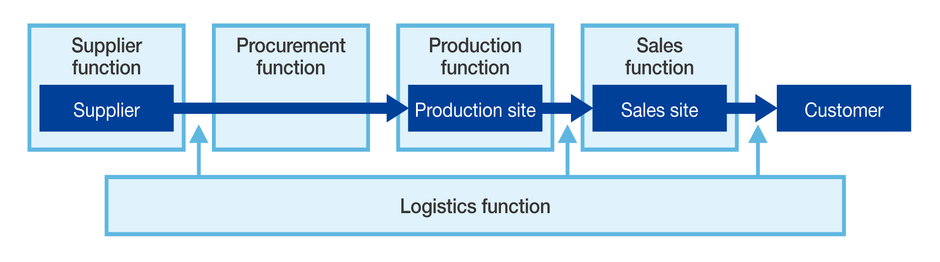
| Functions | Initiatives |
|---|---|
| Suppliers | Encouraging suppliers to strengthen their emergency response capabilities and supply continuity through the establishment of BCM and BCPs. |
| Procurement | Implementing risk mitigation measures, including multi-sourcing, securing alternative sources for procured goods, executing long-term procurement contracts, strengthening partnerships, and maintaining inventory of parts and raw materials * Applies to direct materials and parts and to indirect materials |
| Production | Enhancing production resilience by strengthening the distributed production organization, increasing the resilience of facilities, strengthening measures to prevent the spread of infectious diseases, and securing product inventories |
| Sales | Securing backup arrangements for operational sites, human resources, and critical IT systems |
| Logistics | Securing transportation modes and routes by maintaining and strengthening relationships with transportation companies, improving the accuracy of shipping and delivery plan management, and securing multiple logistics modes and methods (carriers, transportation routes, and warehousing functions) |
Support for Strengthening Suppliers' BCM
Epson evaluates safety management and conducts site safety inspections to help key suppliers in our supply chain strengthen their emergency response and business continuity capabilities.
Safety management evaluation
Epson evaluates the safety management of suppliers to verify compliance with relevant laws and regulations (such as the Fire Service Act in Japan). In fiscal 2024, Epson also added safety management evaluations to the conditions for starting new transactions.
Supplier support through site safety inspections
To improve the effectiveness of its supplier safety management evaluations, Epson has been sending safety specialists to supplier sites since 2017 to conduct safety inspections and provide support for improving how safety is managed.