Industrial & Robotics
The Industrial & Robotics segment is an area in which we expect further growth from Mid-Term Business Plan Phase1 (2026-2028) to Phase2 (2029-2031). To support this growth, we will significantly expand our solutions portfolio by committing to greater integration of hardware, software, and services.
Commercial & Industrial Printing
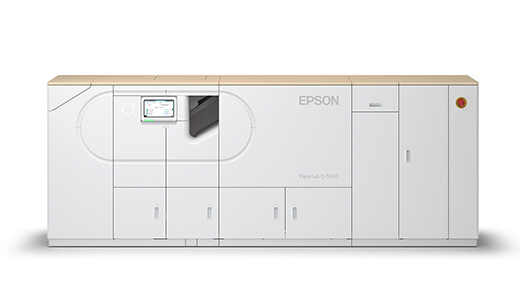
We will address structural challenges facing the commercial and industrial sectors in line with Epson's long-term vision, ENGINEERED FUTURE 2035, by leveraging Epson's core inkjet technologies and engineering capabilities. In response to worsening labor shortages, increasing demand for high-mix, low-volume production with shorter lead times, and the need to reduce environmental impact, we will drive the digital transformation of traditionally analog printing processes and optimize the design of entire production workflows. In addition to printers that deliver high productivity, outstanding image quality, and stable operation, we will offer inks that enable customers to achieve the quality and cost performance needed to enhance both productivity and profitability. By offering solutions that include operational design and services in collaboration with Fiery, we will enhance productivity and reliability. In our sales strategy, rather than applying a uniform global business model, we will develop and execute business models based on products and services that match customer needs in emerging and developed regions alike, thereby delivering satisfaction to customers worldwide and accelerating business growth.
Major products
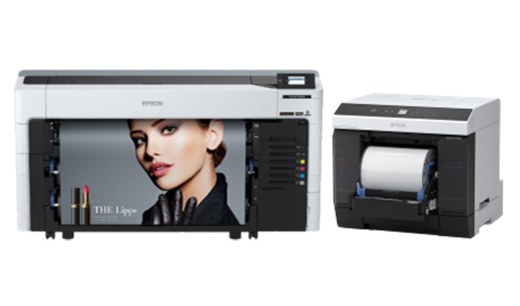
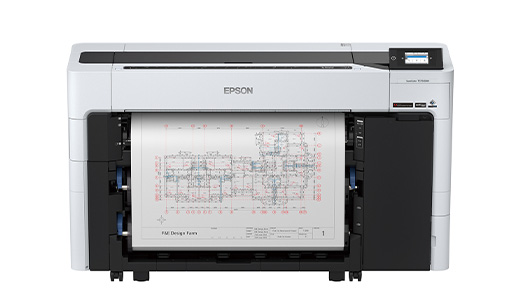
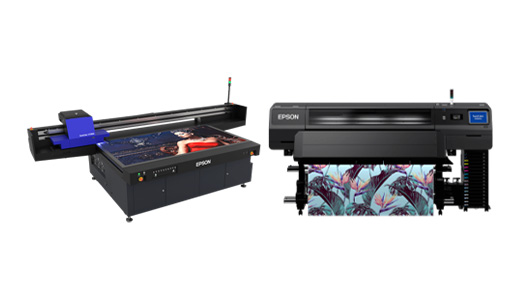
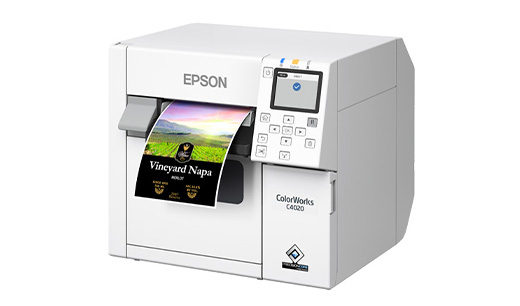
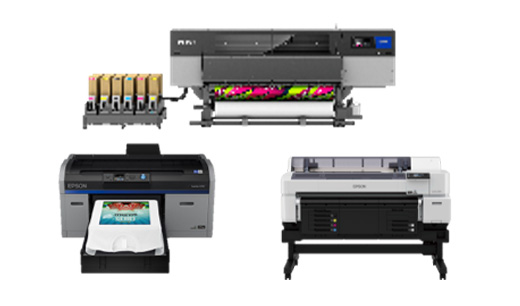
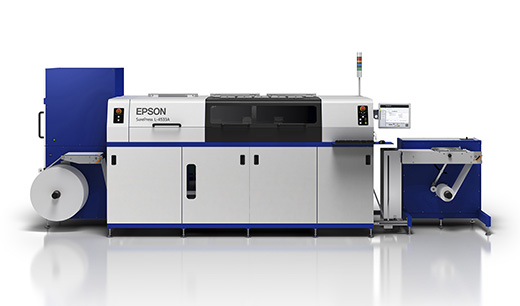

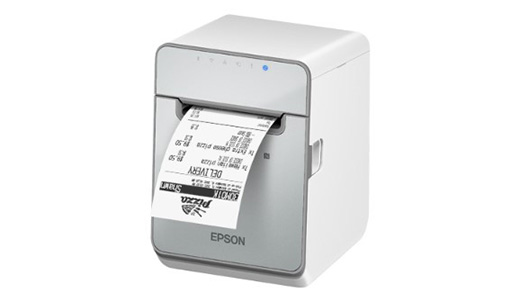
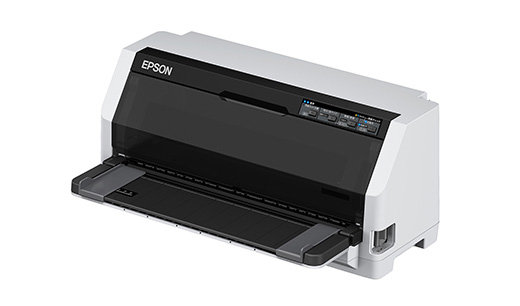
Robotics
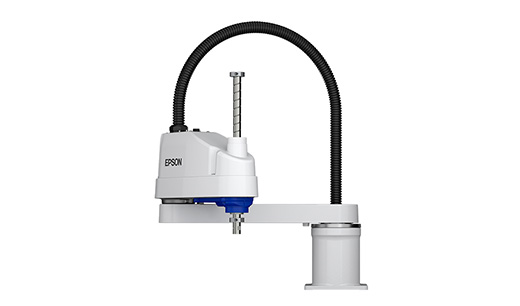
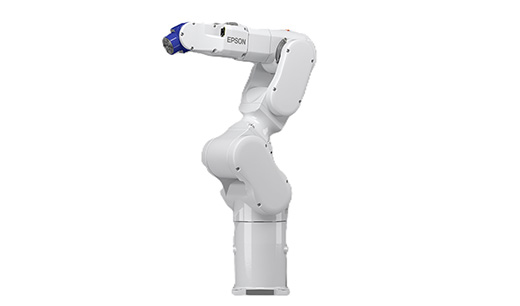
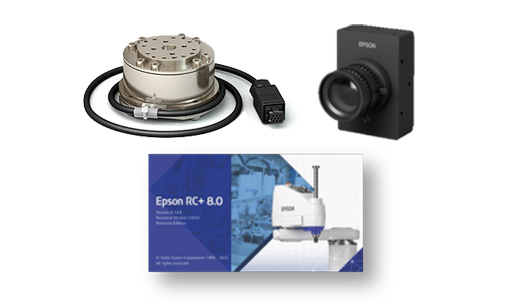
With industrial robots known for exceptional speed and accuracy, We are developing growth markets beyond manufacturing by integrating sensing, control, and AI technologies. We again maintained the No.1 global share1 in SCARA robots in 2025, and have earned a strong reputation across a wide range of fields including electrical and electronic components, medical devices, and automotive-related industries. Going forward, we will expand our lineup to include high-payload and collaborative robots while strengthening total solution proposals that combine peripheral devices such as force sensors, vision systems, and parts feeders. At the same time, we are enhancing cost competitiveness and sales capabilities and working to build a resilient business structure that can secure profits even during periods of economic volatility or stalled capital investment. Against the backdrop of labor shortages and growing labor-saving needs, we will also xpand into service domains and will implement recurring-revenue business models, with the aim of providing customers with long-term value and peace of mind throughout the product lifecycle. We will also deepen our understanding of customer challenges by strengthening our customer intelligence-gathering capabilities and advancing the integration of software and digital technologies. Doing so will enable us to create value that goes beyond our products alone and help customers improve productivity while contributing to the realization of a sustainable society.
1 Market share based on revenue of industrial SCARA robots, 2025.
(Source: Fuji Keizai "2026 Reality and Future Outlook of Worldwide Robot Market").
Major products
Related Value-Creation Domains

Official Account